When Knowing Where You Are Becomes a Weapon: The Hidden Dangers of Location Sharing

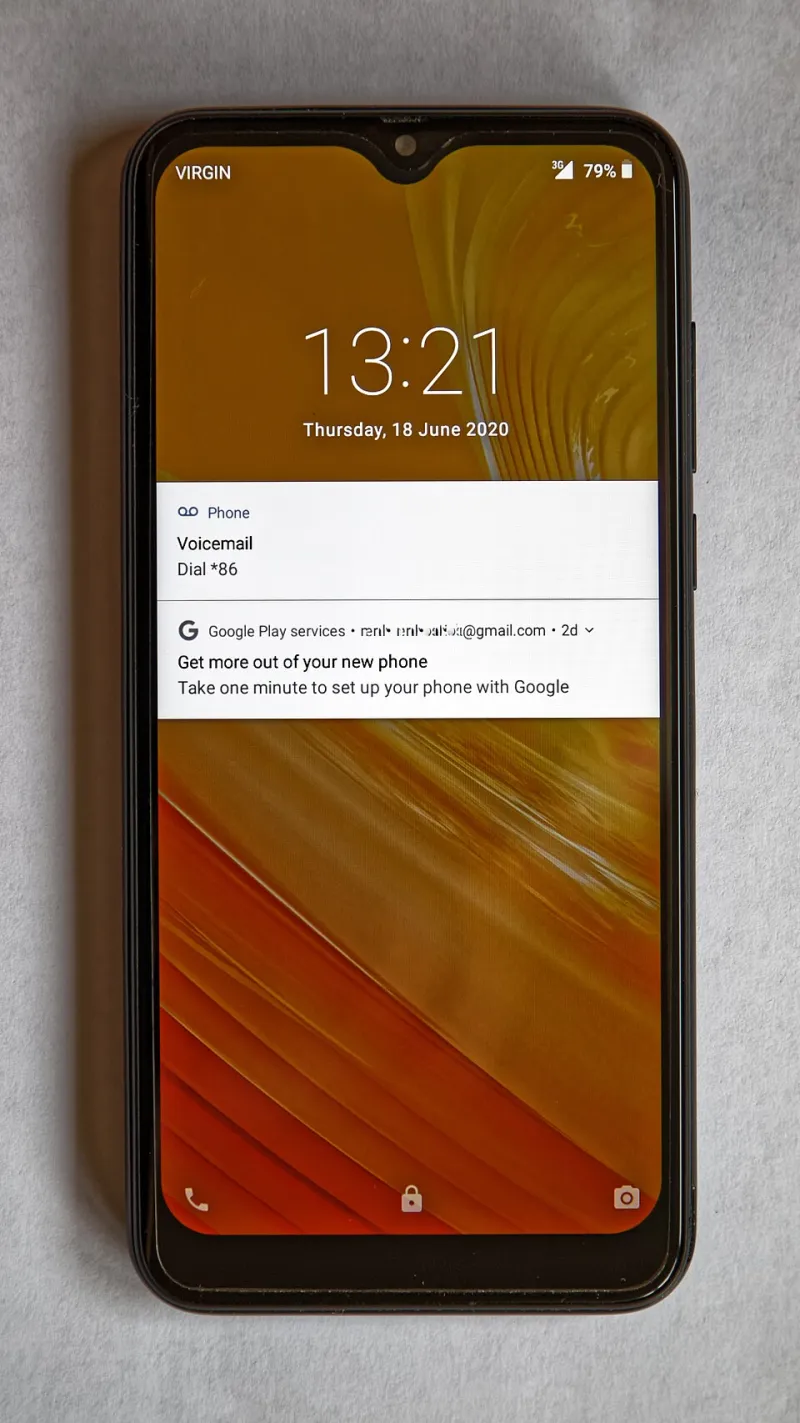
Photo: Jim.henderson, CC0, via Wikimedia Commons
The premise sounds reassuring: with a few taps, a parent can confirm their teenager arrived safely at school, or a couple can coordinate pickup times without exchanging a dozen text messages. Features like Apple's Find My and Google's location sharing on Android have become fixtures of everyday family life across the United States. Millions of Americans use them without a second thought.
But convenience and surveillance occupy uncomfortably close territory. And for a growing number of people — particularly domestic abuse survivors and stalking victims — location-sharing tools have become instruments of control rather than care.
How Location Sharing Actually Works
Before examining the risks, it helps to understand what these features actually do. Apple's Find My app allows iPhone users to share their real-time GPS location with contacts, either indefinitely or for a set period. Google Maps offers a similar capability on Android, as does Snapchat's Snap Map and Life360, a third-party family tracking app used by tens of millions of households.
These platforms update location data continuously, often to within a few meters. In most cases, the person being tracked receives a notification when sharing is initiated — but that notification can be easy to miss, and some configurations allow location access to persist quietly in the background long after a user believes they have turned it off.
The technical architecture is sound. The human element is where things become complicated.
Real-World Harm: Stalking and Coercive Control
The National Domestic Violence Hotline has documented a steady increase in reports involving location-tracking technology as a component of intimate partner abuse. In many cases, abusers do not need to install hidden spyware. They simply leverage features the victim consented to during a period of trust — and that consent is rarely revisited when the relationship deteriorates.
Consider a common scenario: a couple sets up mutual location sharing early in their relationship. Years later, one partner becomes controlling. The location data that once felt like a gesture of openness now functions as a monitoring system. The victim may not realize the sharing is still active, or may fear the consequences of disabling it.
Stalking situations involving ex-partners follow a similar pattern. A 2022 report from the Cyber Civil Rights Initiative noted that technology-facilitated stalking — including GPS tracking through shared apps — affected an estimated 13.5 million Americans annually. Location features built into mainstream apps are frequently cited as the enabling mechanism, precisely because they require no technical sophistication to exploit.
In other cases, the threat comes not from a former partner but from acquaintances, family members exercising unhealthy control over adult children, or even employers who have pressured workers into sharing location data outside of professional hours.
The Red Flags You Should Not Ignore
Identifying whether your location data is being misused requires both technical awareness and honest self-assessment about your relationships. Several warning signs warrant immediate attention.
If someone consistently references your whereabouts in ways that suggest real-time knowledge — arriving unexpectedly at locations you did not share, or asking pointed questions about specific places you visited — that person may have access to your location without your current knowledge or consent.
Unexpected battery drain on your phone can also indicate that a location-sharing app is running more actively than you realize. Apps like Life360, when set to high-frequency updates, consume measurable power in the background.
Perhaps most telling: if you feel reluctant to disable a location-sharing feature because of how another person might react, that reaction itself is a signal worth examining. Healthy relationships do not require continuous surveillance as a condition of trust.
Conducting a Location Permission Audit
Regardless of your current circumstances, performing a location permission review on your device is sound security practice. On an iPhone, navigate to Settings > Privacy & Security > Location Services to see every app with access to your GPS data and the level of access granted — Always, While Using the App, or Never. Any app set to "Always" deserves scrutiny.
On Android, the path varies slightly by manufacturer, but generally: Settings > Location > App Permissions will surface the same information. Remove access for any app whose need for continuous location data is unclear.
For Find My and Google Maps sharing specifically, open each app and review your active sharing sessions. In Find My, tap "Share My Location" under your profile to see who is currently receiving your position. In Google Maps, navigate to your profile photo and select "Location Sharing" to view and manage active sessions.
Make this review a regular habit — not just a one-time exercise.
Safer Practices for Families Who Do Want to Share
Location sharing, used thoughtfully, remains a legitimate safety tool. Parents monitoring younger children, adults checking in on elderly parents, or friends coordinating at a crowded event can all benefit from these features. The goal is not to abandon them entirely but to use them with clear boundaries and mutual understanding.
Establish explicit conversations about who is sharing with whom, for what purpose, and for how long. Treat location sharing as a temporary, purpose-specific arrangement rather than a permanent default. Many apps allow time-limited sharing — use that feature.
Ensure that every person in a sharing arrangement understands how to disable it independently. A family member who does not know how to turn off location sharing is effectively a captive participant, regardless of intent.
For parents of teenagers, consider discussing location sharing directly with your child rather than implementing it covertly. Covert monitoring tends to erode trust and, critically, does not teach young people the digital safety judgment they will need as adults.
If You Believe You Are Being Tracked Without Consent
If you have reason to believe someone is monitoring your location without your knowledge or permission, take the following steps. First, review your app permissions and active sharing sessions as described above, and revoke any access you did not intentionally grant. Second, consider resetting your device's advertising ID and reviewing whether any unfamiliar apps have been installed — particularly if someone else has had physical access to your phone.
If you are in a situation involving domestic abuse or stalking, contact the National Domestic Violence Hotline at 1-800-799-7233, or text "START" to 88788. Their advocates are trained to advise on technology safety without triggering alerts to a monitoring abuser — including guidance on how to delete your browser history after visiting help resources.
In cases involving criminal stalking, file a report with local law enforcement and preserve any evidence of unwanted tracking, including screenshots of app data.
Location-sharing features are not inherently dangerous. But like any tool that provides one person visibility into another's life, they carry responsibility. On Kavach Mobile, we believe that genuine digital safety means understanding not just the threats that come from outside — but also the ways that trusted technology can be turned against us when the trust itself breaks down.